
FIFO Method: First In First Out Inventory Tracking
Understand how the FIFO method works for inventory valuation, when it’s most beneficial, and how Canadian companies implement it for accurate cost of goods sold calculations.
Read guideLearn FIFO, weighted average cost, and stock reconciliation methods that keep your financial records accurate and compliant.

Each method has strengths. We’ll help you understand which fits your business.
First In, First Out assumes your oldest inventory sells first. It’s straightforward and matches actual product flow in many businesses.
Learn about FIFOThis method smooths price fluctuations by averaging costs. It’s popular with retailers who want consistent valuation across periods.
Explore weighted averagePhysical counts catch discrepancies between your records and actual inventory. Essential for accurate financial statements.
Master reconciliationCOGS is calculated differently under each method. Understanding the impact on your bottom line matters for tax and reporting.
See COGS calculationsHow you value ending inventory directly affects profit. We break down each method’s valuation approach with real examples.
Understand valuationCRA and ASPE rules apply to your choice of method. We’ll explain what’s allowed and what documentation you need.
Check compliance guideFinding the right approach for your business in four steps.
Do items sell in order received? Or do you rotate stock regularly? Understanding your actual inventory movement helps you pick a realistic method.
CRA allows FIFO and weighted average for tax purposes. ASPE requires consistent application. We’ll explain the rules that apply to you.
Each method produces different COGS and ending inventory values. We show you side-by-side comparisons so you see the financial impact.
Once chosen, document your method in your accounting policies. Consistency matters for audits and financial credibility with lenders.
Your inventory method doesn’t just determine COGS. It shapes your tax bill, your financial ratios, and how lenders view your business. Getting it right means accurate statements and confident decision-making.
We’re focused on making these concepts clear. No jargon. No assumptions that you already understand depreciation or weighted averages. We start with the basics and build up to real applications.
Deep dives into FIFO, weighted average cost, and reconciliation with practical Canadian examples.

Understand how the FIFO method works for inventory valuation, when it’s most beneficial, and how Canadian companies implement it for accurate cost of goods sold calculations.
Read guide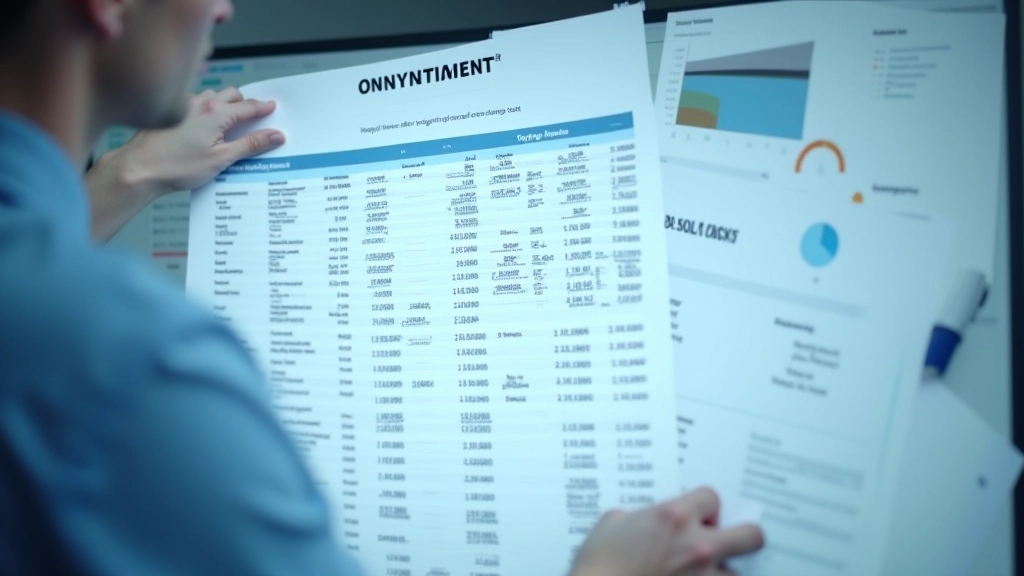
Discover how the weighted average cost method smooths inventory valuation fluctuations and why many Canadian retailers prefer this approach for consistent financial reporting.
Read guide
Learn how to conduct effective physical inventory counts, identify discrepancies between records and actual stock, and resolve variances to maintain accurate financial statements.
Read guideQuick answers to help you understand the differences and implications.
CRA allows changes but requires formal approval and detailed documentation of the impact. It’s not impossible but it’s complicated. Better to get it right from the start.
During inflation, FIFO typically results in higher COGS and lower profits — reducing tax. Weighted average smooths the effect. Your actual tax outcome depends on your prices and sales patterns, not the method alone.
Most Canadian businesses do annual counts. Some use cycle counting throughout the year instead. Your auditor will have expectations based on your industry and size.
Perpetual updates records continuously (usually with software). Periodic counts once per period. Most modern businesses use perpetual but verify with physical counts.
Yes. Ending inventory appears on the balance sheet. FIFO and weighted average produce different ending inventory values — which changes your total assets and working capital ratios.
Document your method choice, maintain detailed inventory records, keep purchase invoices, and preserve physical count sheets. CRA can audit back six years — so keep records that long.
Real feedback from people learning to manage their inventory accounting better.
“I wasn’t sure which method to choose when I started my retail shop. These guides broke it down so clearly that I actually understood the difference between FIFO and weighted average. I went with weighted average because my costs fluctuate a lot, and the guide showed me exactly why that made sense for my business.”
— Marcus, retail owner
“Our accountant kept saying we needed to reconcile inventory but didn’t explain what that meant. Found the reconciliation guide here and suddenly it made sense. We’ve actually caught discrepancies now that we’re doing it properly.”
— Jennifer, warehouse manager
“The FIFO explanation with real examples was exactly what I needed for my bookkeeping course. It’s not overly technical but it’s also not dumbed down. I’m recommending it to other students.”
— Alex, accounting student
Whether you’re choosing a method for the first time or improving your current process, we’re here to help you understand every step.
Get in TouchVisit our complete collection of inventory accounting resources focused on Canadian standards and practices.
Explore all guidesCheck our Q&A section for answers to common questions about FIFO, weighted average, reconciliation, and more.
Visit Q&A